Making Transitions Healthier, Happier, and More Inclusive: How We Move Through Our Day Matters

Classroom transitions, such as coming into the classroom, lining up to go to lunch or the bathroom, or cleaning up after a lesson, can set the tone and mood for the next activity, and may make educators feel a bit stressed or disorganized if there aren’t any routines in place. These can be powerful teaching moments for both students and educators to facilitate and participate in.

Using CASEL’s SEL framework as a guide, transitions are prime opportunities to build skills like self-awareness, self-management, and relationship building. 

Educators thrive from structured, daily routines, as much as students do, so what if there was a way to structure activities to give students tools for lifelong success, without focusing on classroom compliance?

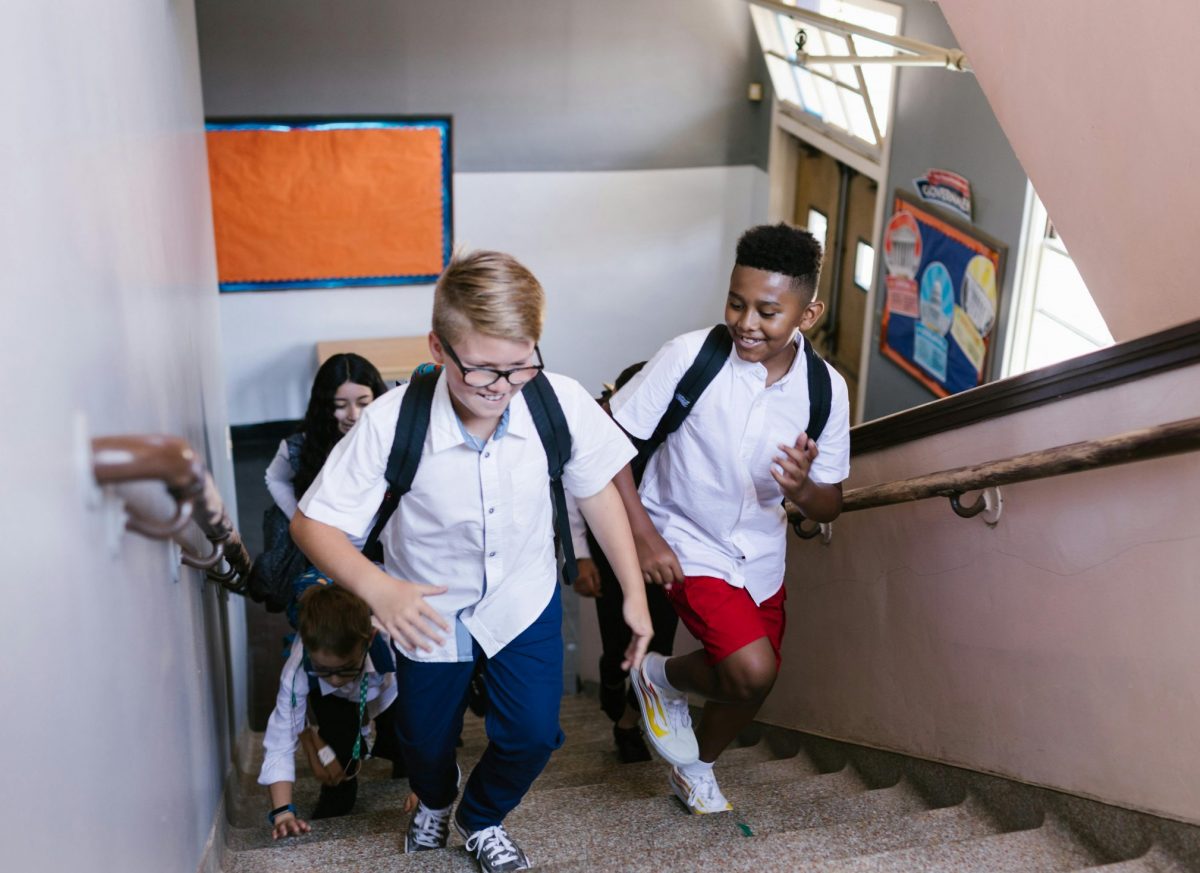
A group of children going upstairs in a school.

Why Transitions Matter:

  1. Transitions happen more than 20 times a day – that’s more than 20 times to build positive habits and relationships!
  2. This is a perfect moment to teach students self-regulation strategies, body awareness, and spatial reasoning.
  3. Adding this into a structured routine will give all students of any ability to engage in stimulating movement to promote safety and stability.

Movement = Emotional Regulation, Not Controlling Behavior

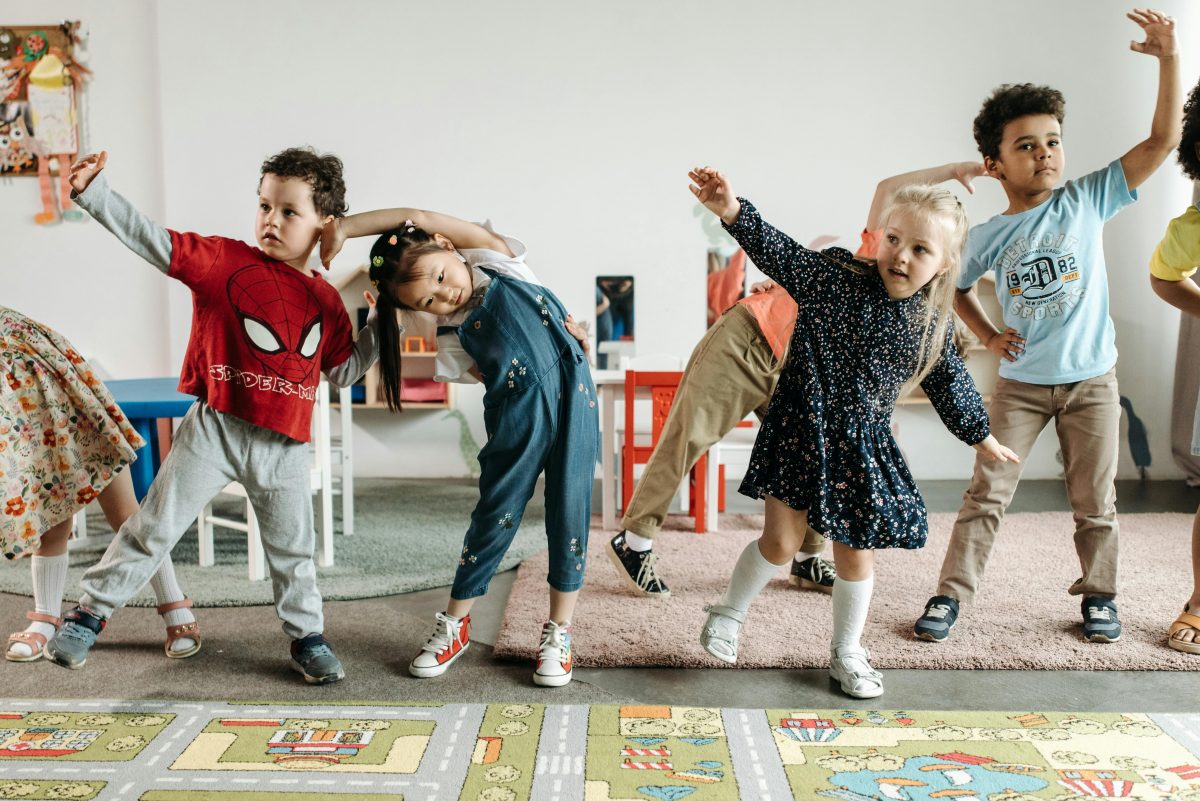
Younger children exercising in a classroom.

Transitions should promote student’s needs to stimulate blood flow to the brain. Movement is essential to children’s development and not all transitions have to be in a rigid box of “quick, quiet, and still”. This is a chance to reset students, your classroom atmosphere, or even yourself as the educator! Try:

  • 10 jumping jacks after a long seated break
  • A 1-minute “shake-off” (wiggle fingers, arms, legs)
  • Invite students to create their own transition moves
  • A little dance break

Movement supports attention and memory, especially for elementary students. Short bursts of activity can improve student focus and mood, and help to develop regulation skills as necessary for executive functioning in school settings.

Inclusive Transitions Honor All Bodies and Needs:

Transitions should try to include as many students as possible. Don’t rush them, take your time in introducing or facilitating students through it. Promote accessibility and implement trauma-informed practices for predictable and sensory-sensitive routines for students of various backgrounds to feel safe in the following ways:

  1. Visual timers or schedules, like on your daily agenda on the board!
  2. Auditory and visual reminders - “Five more minutes and then we can take a break.” while holding up five fingers.
  3. Options to move from one activity to the next - “Quietly walk, tiptoe, stomp, or bounce to the rug”, which can fulfill sensory needs of some students
  4. Bilingual prompts with visual supports for multilingual students - simple words or phrases.
  5. Soft signals, such as chimes, music, or classroom lights, instead of clapping or countdowns.

Try to combine visual, verbal, and physical cues instead of relying solely on auditory cues, for your own toolbox and promoting student engagement!


Turn Snack and Lunchtime into Healthy Habits

Mealtime transitions can reinforce health eating habits through adult modeling and behavior. The goal is to promote habits without shaming or judgement. Try:

  • Phrases like “Let’s fuel our brains”
  • Highlight a food to try from the school lunch menu for the week
  • A “Try It” tally for students who tried a new food
  • Discussion prompts: “Do you eat this at home?”

Final Thoughts

Transitions don’t only become smoother — they become more joyful, respectful, and inclusive, building positive relationships in the classroom and school community culture. In every hallway stroll or classroom clean-up, we as educators can model what it looks like to move through the world with purpose and care, through structured routines.