Archives

Wait! Don’t throw that out!

Let's talk about those sad, bruised little apples on your counter. Or those wilting greens in your fridge. Don't throw them out! You may have fruits, veggies, and herbs that are going downhill quickly, but we have some great ways to save them (which means saving $$$)! 

Apples 

You got a little too excited about that 10 pound discounted bag of apples, and now you're stuck with 9 pounds of leftover apples that are looking a pretty shabby. You know where bruised apples don't matter? In applesauce! Try this simple recipe. 


A bowl of applesauce with a dash of cinnamon.

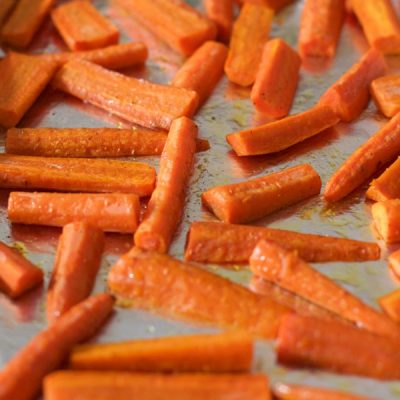
Roasted carrots cut into long slices spread on a cookie sheet.

Carrots  

When carrots start feeling a little bendy, you may think it's time to toss them. With a little chop chop, olive oil, and heat, they can still be the perfect side dish. Follow this quick and easy recipe for roasted carrots. 


Root Vegetables 

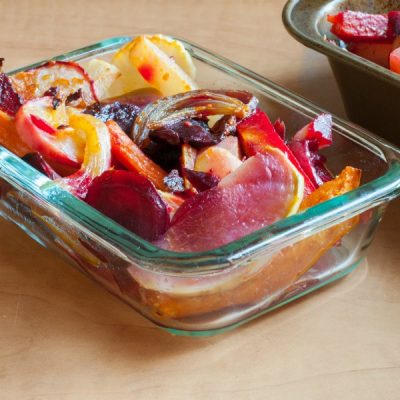
Roasting can save more lives than just carrots. Beets looking a little worse for wear? Getting some "eyes" or little sprouts on your potatoes? These root vegetables have tons of flavor after a good roast. Try our Roasted Root Vegetables recipe on for size. 


Glass container filled with colorful, roasted root vegetables on a wooden table.

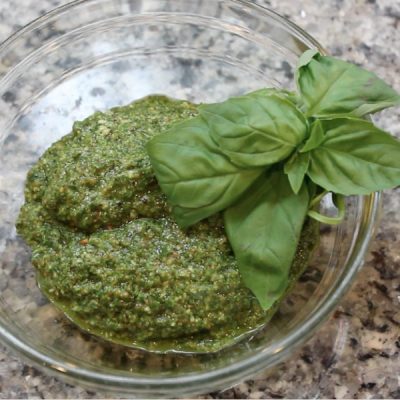
Bowl of basil pesto with a sprig of basil.

Greens 

Any wilted greens work for this. Add a handful of basil to them, and whip up this recipe for Veggie Top Pesto. Use it to top roasted vegetables, baked chicken, or spread it on a sandwich. 


Bananas 

Sure, you could make banana bread with those too-brown bananas. But they become similar to ice cream when frozen and blended (Umm... yes, please!). When bananas are nice and brown, pop them in the freezer instead of throwing them out. Then they'll be ready at a moment's notice for a treat, like this Peanut Butter Banana Smoothie. 


Glass holding a peanut butter banana smoothie with a red straw on a kitchen counter and mosaic backsplash.

Enjoying Vegetables the Easy Way

Vegetables are some of the healthiest foods available. Yet, many of us have trouble eating the minimum recommended 3 servings (2 ½ cups) daily. Fresh veggies can be expensive, especially if you are buying them out of season. And sometimes they go bad before you can eat them.

Luckily, there’s an easy solution! Canned and frozen vegetables are inexpensive, always in season, and last a long time. Give them a try in our easy recipes. You will love them!


Canned & Frozen Vegetables – Just as Good as Fresh! 

Before we go any further, let’s get something straight – canned and frozen vegetables are just as good as fresh varieties. You may have heard the saying, “fresh is best.” That’s not really true! Canned and frozen vegetables are picked at their peak of ripeness and then preserved to keep their nutrients. Canned and frozen veggies are already chopped and ready to eat, making them very convenient.  


Healthy Tips for Using Canned & Frozen Vegetables 

Since canned and frozen vegetables are processed and packaged,  follow these tips to make the healthiest choices: 

  • Look for reduced or no sodium (salt) canned vegetables, or rinse canned veggies to remove some of the sodium (salt). 
  • Buy plain frozen vegetables without sauces. They are cheaper and better for using in recipes. 
  • Always read the ingredient list to be sure you are getting getting just vegetables without anything else added to them


How to Use Canned or Frozen Vegetables 

Cooking with canned or frozen vegetables is very easy. Generally, canned veggies work best in casseroles or soups because they are a little softer in consistency. Frozen vegetables can taste great all by themselves heated up as a side dish. The following suggestions are popular, flavorful choices.  


6 Canned Vegetables You Will Love 
  • Tomatoes – Canned tomatoes are excellent for making a hearty pasta sauce or as a base for soup.

  • Mushrooms – Use canned or frozen mushrooms as a simple pizza topping or chop them finely and add them to meat.

  • Mixed Vegetables – The classic mix of vegetables (carrots, peas, and corn) is perfect as a base for soup or pot pie. Try them in  Beef & Vegetable Soup.     

  • Pumpkin – Buying an entire pumpkin is expensive and cooking it can be lots of work. Canned pumpkin gives you all the nutrients with none of the work. Add canned pumpkin to vanilla pudding or to a smoothie to give it more fiber and a creamy consistency. You can even use it to make a Peanut Butter, Banana & Pumpkin Sandwich.  

  • Corn – Kids love canned corn! It is naturally sweet and also makes a great addition to casseroles or dishes like this Southwest Salad. 

  • OIives – Low sodium black olives make a tasty, filling snack. They also add flavor to salads, casserole, and pizza, plus provide healthy fats.
Plate of pizza slices covered in tomatoes, red and green peppers, and onion.
Icon of 5 Ingredients or Less recipes Icon of Kid Friendly recipes Icon of Quick N Easy recipes Icon of Vegetarian recipes Veggie Pizza Pita Pockets
Beef, beans, corn, and other mixed vegetable soup in a small ceramic bowl.
Icon of 5 Ingredients or Less recipes Icon of Heart Healthy recipes Icon of Kid Friendly recipes Icon of No Sugar Added recipes Icon of Quick N Easy recipes Beef and Vegetable Soup
Sandwich with two whole wheat slices of bread filled with bananas creamy pumpkin, and peanut butter.
Icon of 5 Ingredients or Less recipes Icon of Kid Friendly recipes Icon of Quick N Easy recipes Icon of Vegetarian recipes Peanut Butter Banana and Pumpkin Sandwich


5 Frozen Vegetable Favorites 

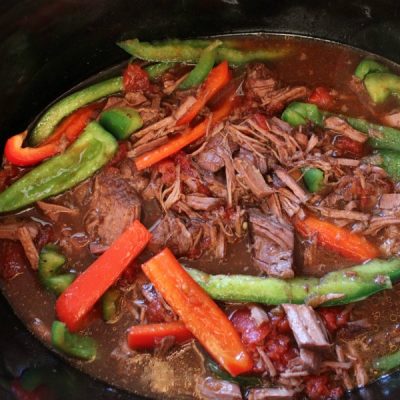
  • Peppers or Onions – No one likes chopping onions! A bag of frozen onions can save you a lot of tears. Onions and peppers are flavorful additions to stir fries, casseroles, or omelets; as a topping for pizza; or in a simple quesadilla. Frozen peppers work great in Crock Pot Steak and Peppers.   

  • Frozen Peas – Peas can perk up virtually any dish. Add them to casseroles or macaroni and cheese, or serve them with baked chicken or fish. Try peas in this easy Turkey Tetrazzini.  
  • Chopped Broccoli – Raw broccoli may taste bitter to some people and it can be difficult to prepare. Frozen, chopped broccoli has a milder flavor and takes no prep time. Sautee frozen broccoli with a little garlic and serve it as a healthy side dish, or add the cooked broccoli to eggs for a Basic Vegetable Quiche. 

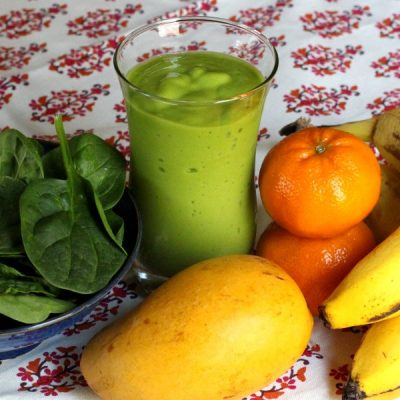
  • Spinach – If you are trying to get more greens into your diet, frozen spinach is an excellent choice. Toss it into your morning smoothie and you won’t even know it’s there. Give it a try in our Mango Green Smoothie. 

  • Riced Cauliflower – Cauliflower chopped into rice-shaped pieces is super popular. You can use it as a replacement for starches like pasta or rice, or you can eat it on its own as a tasty side dish. If you cook it and then puree it with a little garlic, it tastes like creamy mashed potatoes! 

Slow cooked beef, tomatoes and peppers in a pan

Icon of Kid Friendly recipes Icon of No Sugar Added recipes Icon of Quick N Easy recipes

Crock Pot Steak and Peppers

Broccoli and other vegetables quiche baked in a ceramic bowl.

Icon of Kid Friendly recipes Icon of Vegetarian recipes

Basic Vegetable Quiche

Mango green smoothie in class cup on patterned table cloth surrounded by a mango, oranges, banana, and plate of spinach.

Icon of 5 Ingredients or Less recipes Icon of Heart Healthy recipes Icon of Kid Friendly recipes Icon of No Sugar Added recipes Icon of Quick N Easy recipes Icon of Vegetarian recipes

Mango Green Smoothie


Helpful Tips For Green Leafy Vegetables

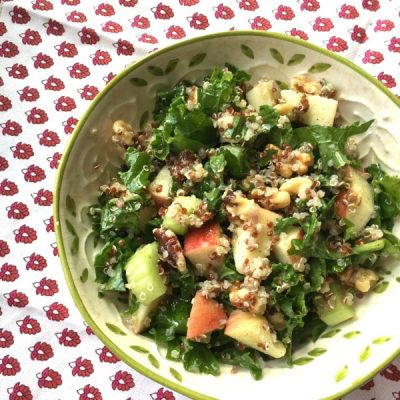
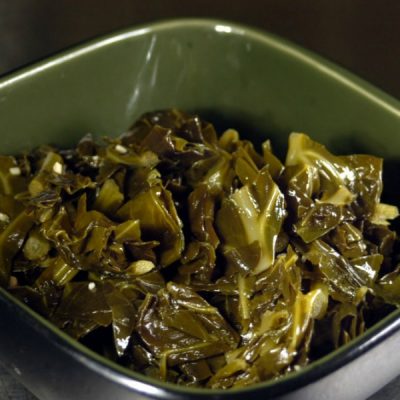
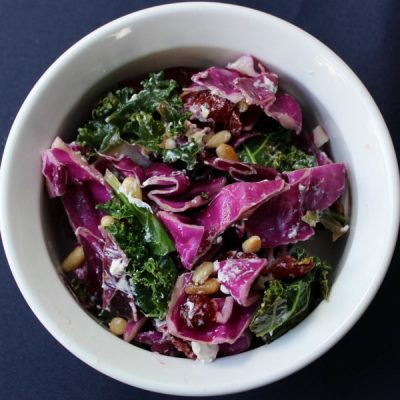
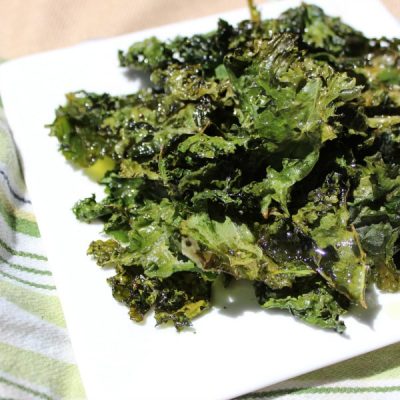
Green leafy vegetables have key nutrients such as Vitamin A, Vitamin C, Calcium, Potassium and Fiber. Try these tips for buying, storing, and cooking green leafy vegetables.

Choose the Freshest Greens

  • Look for moist, crisp greens with rich color.
  • Avoid those that are yellowish or brownish or have slimy leaves.
  • Greens can go bad quickly!  So only buy what you can use in a short amount of time.
Quick Tip
If the leaves appear wilted, you can cut them into pieces and place them in a large bowl of water for about an hour. They will often plump up and be fine to eat.

Storing Greens

  • Wrap washed greens in a paper towel and place in a plastic bag. Keep in the coldest part of the refrigerator.
  • Plan to eat greens within 1-4 days after you buy them.

Washing Greens

  • Remove leaves from thick stems and place in large bowl of cold water. Swish them around then remove leaves (do not drain using a strainer because you will mix the dirt back in) and discard water.
  • Repeat until no more dirt appears in the bowl. Pat with towel or paper tower.

Freezing Greens

  • Greens like spinach, Swiss chard, and kale can be frozen, but you must blanch them first and place in a zip-top freezer bag or other airtight container.
*Blanching means to place foods in boiling water for a short amount of time (a few seconds to 1 minute depending on the vegetable)

Make Kale Tender and Less Bitter

Kale can taste bitter. By massaging kale leaves with citrus juice and olive oil, you can make a kale side dish with a tangy kick. Just follow these three steps:

  1. Add 1 tsp of lemon or lime juice
  2.  Add 1 tsp olive oil
  3.  Massage ingredients into leaves with your hands

Cooking Greens

  • Greens can be added to soups and stews, eaten raw in salads or juiced with other greens and vegetables.
  • You can cook greens by steaming, boiling, or microwaving.
Quick Tip
When microwaving, cook for 2 minutes for every 2 cups of greens. Make sure to use a microwave safe bowl and cover the greens with a damp paper towel.