Vegetables are some of the healthiest foods available. Yet, many of us have trouble eating the minimum recommended 3 servings (2 ½ cups) daily. Fresh veggies can be expensive, especially if you are buying them out of season. And sometimes they go bad before you can eat them.
Luckily, there’s an easy solution! Canned and frozen vegetables are inexpensive, always in season, and last a long time. Give them a try in our easy recipes. You will love them!
Canned & Frozen Vegetables – Just as Good as Fresh!
Before we go any further, let’s get something straight – canned and frozen vegetables are just as good as fresh varieties. You may have heard the saying, “fresh is best.” That’s not really true! Canned and frozen vegetables are picked at their peak of ripeness and then preserved to keep their nutrients. Canned and frozen veggies are already chopped and ready to eat, making them very convenient.
Healthy Tips for Using Canned & Frozen Vegetables
Since canned and frozen vegetables are processed and packaged, follow these tips to make the healthiest choices:
- Look for reduced or no sodium (salt) canned vegetables, or rinse canned veggies to remove some of the sodium (salt).
- Buy plain frozen vegetables without sauces. They are cheaper and better for using in recipes.
- Always read the ingredient list to be sure you are getting getting just vegetables without anything else added to them
How to Use Canned or Frozen Vegetables
Cooking with canned or frozen vegetables is very easy. Generally, canned veggies work best in casseroles or soups because they are a little softer in consistency. Frozen vegetables can taste great all by themselves heated up as a side dish. The following suggestions are popular, flavorful choices.
6 Canned Vegetables You Will Love
 Tomatoes – Canned tomatoes are excellent for making a hearty pasta sauce or as a base for soup.
 Mushrooms – Use canned or frozen mushrooms as a simple pizza topping or chop them finely and add them to meat.
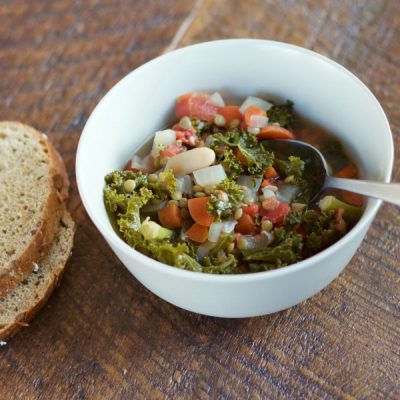
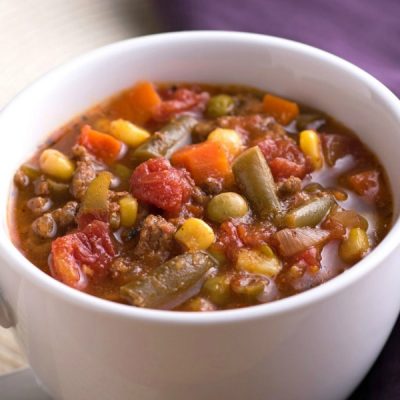
 Mixed Vegetables – The classic mix of vegetables (carrots, peas, and corn) is perfect as a base for soup or pot pie. Try them in Beef & Vegetable Soup.
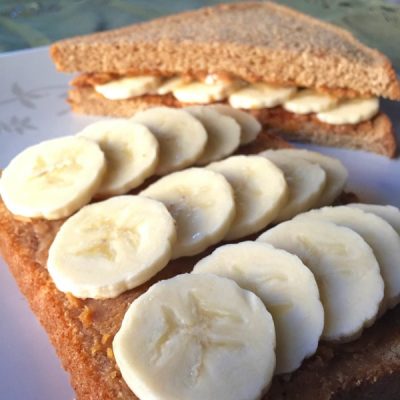
 Pumpkin – Buying an entire pumpkin is expensive and cooking it can be lots of work. Canned pumpkin gives you all the nutrients with none of the work. Add canned pumpkin to vanilla pudding or to a smoothie to give it more fiber and a creamy consistency. You can even use it to make a Peanut Butter, Banana & Pumpkin Sandwich.
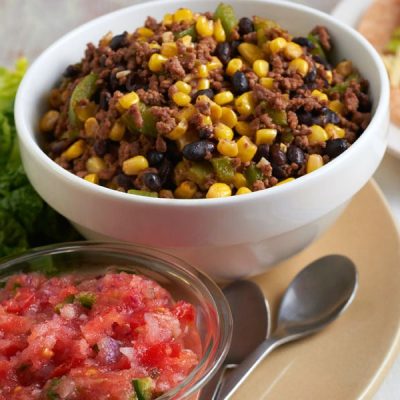
 Corn – Kids love canned corn! It is naturally sweet and also makes a great addition to casseroles or dishes like this Southwest Salad.
 OIives – Low sodium black olives make a tasty, filling snack. They also add flavor to salads, casserole, and pizza, plus provide healthy fats.
5 Frozen Vegetable Favorites
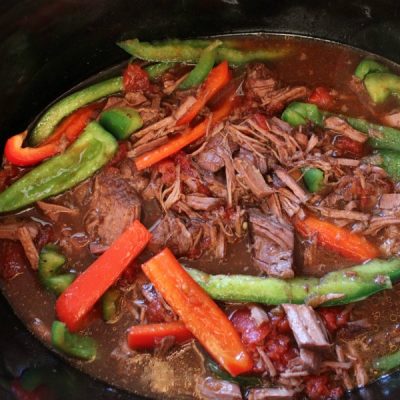
 Peppers or Onions – No one likes chopping onions! A bag of frozen onions can save you a lot of tears. Onions and peppers are flavorful additions to stir fries, casseroles, or omelets; as a topping for pizza; or in a simple quesadilla. Frozen peppers work great in Crock Pot Steak and Peppers.
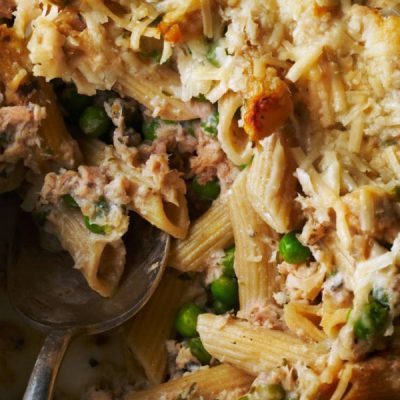
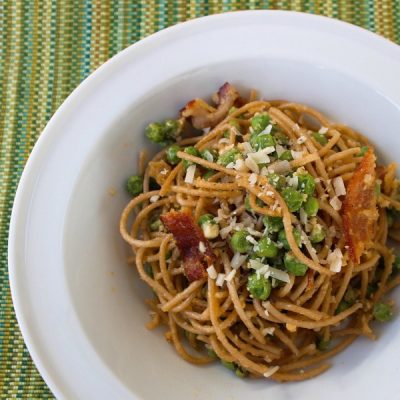
 Frozen Peas – Peas can perk up virtually any dish. Add them to casseroles or macaroni and cheese, or serve them with baked chicken or fish. Try peas in this easy Turkey Tetrazzini.
- Chopped Broccoli – Raw broccoli may taste bitter to some people and it can be difficult to prepare. Frozen, chopped broccoli has a milder flavor and takes no prep time. Sautee frozen broccoli with a little garlic and serve it as a healthy side dish, or add the cooked broccoli to eggs for a Basic Vegetable Quiche.
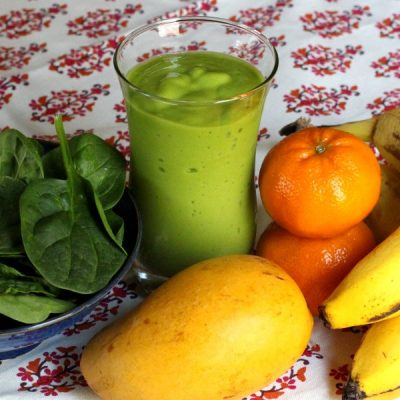
 Spinach – If you are trying to get more greens into your diet, frozen spinach is an excellent choice. Toss it into your morning smoothie and you won’t even know it’s there. Give it a try in our Mango Green Smoothie.
 Riced Cauliflower – Cauliflower chopped into rice-shaped pieces is super popular. You can use it as a replacement for starches like pasta or rice, or you can eat it on its own as a tasty side dish. If you cook it and then puree it with a little garlic, it tastes like creamy mashed potatoes!
We LOVE fruits! They taste sweet, make healthy desserts and snacks, and they are loaded with nutrients. However, like fresh vegetables, fresh fruits can be expensive when they aren’t in season and they can spoil quickly. Canned and frozen fruits can be cheaper, more convenient options. Here’s how to make the most of them in your desserts and snacks.
Healthy Ways to Use Canned or Frozen Fruit
Fruits contain natural sugars and are already sweet enough on their own. Read the Nutrition Facts label when buying packaged fruits so you are sure there is no added sugar or syrup. See the Nutrition Facts label below for an example of where to check for added sugars.
Look at the line ”Includes X g Added Sugars” to see how many grams of sugar have been added in. This label indicates there is no added sugar.
| Total Fat 0g |
12% |
| Saturated Fat 4.5g |
23% |
| Trans Fat 0g |
|
| Cholesterol 35mg |
12% |
| Sodium 850mg |
37% |
| Total Carbohydrate 34g |
12% |
| Dietary Fiber 4g |
14% |
| Total Sugars 6g |
|
| Included 0g Added Sugars |
0% |
| Protein 15g |
|
|
|
| Vitamin D 0mcg |
0% |
| Calcium 320mg |
25% |
| Iron 1.6mg |
8% |
| Potassium 510mg |
10% |
Here are additional tips when buying canned and frozen fruits:
- Buy canned or jarred fruits packed in 100% juice or water. The label will often say, “no sugar added.”
- If you buy canned fruit in syrup, rinse and drain the fruit to remove excess sugar.
- Instead of buying individual fruit cups, buy a jar of fruit or natural applesauce and make your own snack-packs with reusable plastic containers.
- Thaw frozen fruits in the refrigerator overnight and then drain using a colander over a large bowl.
Save the juice for sweetening seltzer or for making fruit ice cubes.
6 Classic Canned & Jarred Fruits
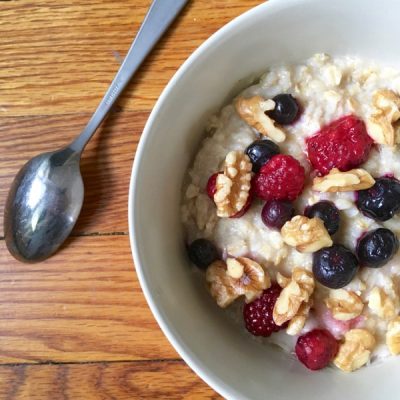
There are canned and jarred fruits that always taste great. The following options are available in most grocery stores. These fruits are all delicious on their own or when used as a topping for plain yogurt, cottage cheese, whole grain pancakes, or oatmeal.
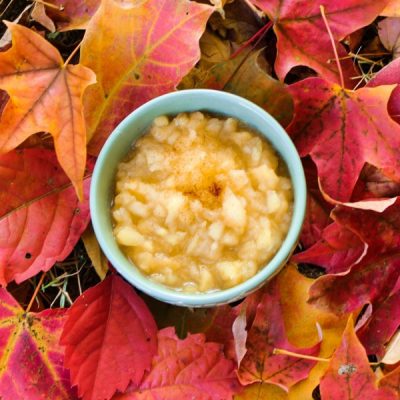
 Unsweetened or No Sugar Added Apple Sauce
 Peaches
 Mandarin Oranges
 Mixed Fruit
 Pineapple
 Pears
Feeling Fancy? Spiced Pears make an easy, decadent dessert
4 Fabulous, Frozen Fruit Finds
Pineapple – Frozen pineapple chunks are naturally sweet and turn any smoothie into a tropical treat. Plus, they are much easier than cutting a prickly pineapple – Ouch! Use frozen or canned pineapple to make kid-friendly Pineapple Orange Popsicles.
 Mixed Melon or Fruit Salad – Frozen melon balls or frozen fruit salad make the perfect light dessert. Just thaw and serve or try in our Melon Salsa.
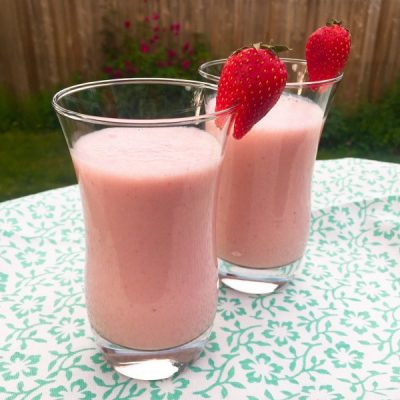
 Bananas – Overripe bananas are often cheaper in the “damaged fruit” section of the grocery store. Stock up and freeze ripe bananas in a freezer bag to have them available for a quick Peanut Butter Banana Smoothie.
 Mango – Frozen mango chunks blend beautifully into a Mango Green Smoothie.
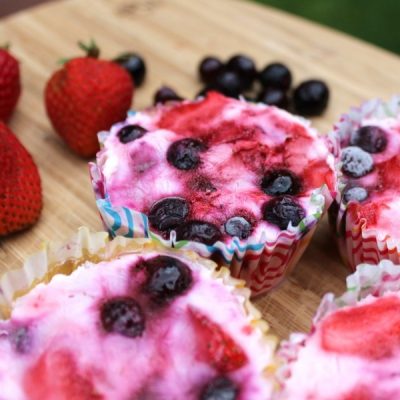
4 Easy Treats to Make with Frozen Berries
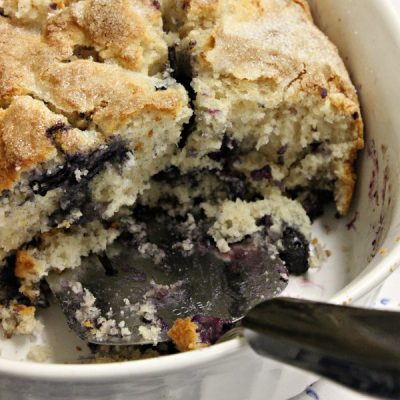
Berries can be expensive when they aren’t in season. Frozen berries are always available and typically cost less. Use frozen or thawed berries in the following treats:
BONUS TIP! If your fresh fruits are starting to go bad, freeze them! Freezing fruits like brown bananas or ripe berries will keep them from ripening any further. You can put them to delicious use with the tips you just learned.
For even more information, explore the Fruit Group from MyPlate.gov.
When it comes to recipes, there are lots of small tweaks you can make to gain more nutrition without losing flavor. This week we’re focusing on saving money and eating healthier by cooking at home. What better time to try some easy changes to your favorite meals? Here are a few trades you can make to health-ify home cooked meals:
1. Sour Cream → Greek Yogurt
Let’s get one thing clear right off the bat. You definitely do not want strawberry yogurt on your taco/burrito/baked potato. Gross. But have you tried plain nonfat Greek yogurt before? If you have, you may have noticed how similar it tastes to sour cream. And it packs in twice as much protein with about 25% of the calories and no fat!
| Sour Cream (2 tablespoons) |
Plain Nonfat Greek Yogurt (2 tablespoons) |
| 60 calories |
16 calories |
| 1 g protein |
2.4 g protein |
| 5 g fat |
0 g fat |
Recipes where you can make this trade:
2. Ground Beef → Lentils/Black Beans
Even if you like meals with meat, you can replace at least half of it with beans or lentils to add variety, nutrition, and decrease your cost and calories! Hopefully you love tables, because here’s another
| *Ground Beef (1 pound) |
Lentils (1 pound) |
| 1160 calories |
530 calories |
| 70 g fat |
0 g fat |
| 0 g fiber |
36 g fiber |
| **$5.61 |
**$1.40 |
*85% lean ground beef
**Cost based on average Connecticut grocery prices national prices in December 2024.
Recipes where you can make this trade:
3. White/Refined Grains → Whole Grains
Added fiber and protein are hard to pass up when they’re so easy to get. Simply switch out your white rice or pasta for brown rice and whole wheat pasta. Especially in recipes with sauces, you won’t notice any difference in flavor!
Recipes where you can make this trade:
4. Broth → Water
Broth gives soups and chilis a lot of flavor, so you may not want to get rid of it entirely. However, swapping out half the broth in a recipe for water will cut down your sodium and cost. Win! (If you need to decrease sodium in your diet for health reasons, check out this section of heart healthy recipes.)
Recipes where you can make this trade:
Pricing Statistics from the U.S. Bureau of Labor Statistics









 Quick Tip